
I. Purpose & Scope
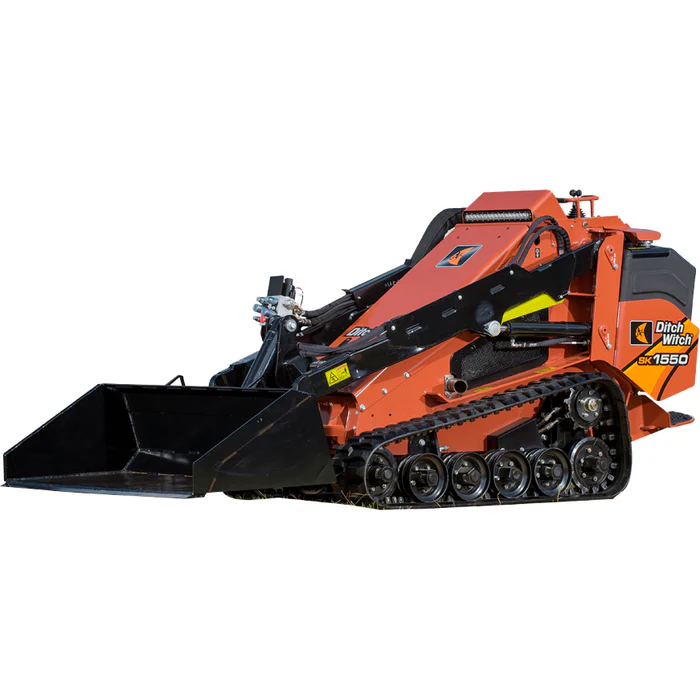
To safely and effectively provide instruction on the inspection and proper use of skidsteers.
II. Definitions
Standard PPE – High Viz Garment, Hard Hat, Z-87.1 Safety Glasses, Gloves, Pants, Work Boots
III. Process
NOTE: Work instruction does not supplement the manual. For specific instructions for the exact model please refer to the owner’s manual.
A. Potential Hazards
- Fire or Explosion hazard
- High Noise Levels
- Crushing hazard
- Moving parts hazard
- Hot parts
- Tip over hazard
B. PPE
- Standard PPE
- Hearing Protection
- Face shield
- Respirator – recommended
- Insulated boots and gloves – recommended
C. Inspection
- Check fluid levels
- Fuel
- Engine Oil level at dipstick. Keep level at highest line on dipstick.
- Diesel Exhaust Fluid (DEF), if needed
- Hydraulic Fluid level at sight glass. Keep level at halfway point on sight glass when engine is off, cylinders are fully retracted, and fluid is cool.
- Engine Coolant at overflow bottle.
- Check the condition and function of;
- All controls
- Battery
- Hoses and Valves
- Pumps and Motors
- Tires or Tracks
- Signs, guards and shields
- Filters (air, oil, hydraulic, fuel)
- Belts
- Check dust ejector valve and ensure valve is not inverted, damaged, plugged or cracked.
- Check engine compartment for debris, remove debris form engine compartment manually. Do not use water or compressed air.
- Check air filter service indicator. Change filter when red band on indicator is visible.
- Remove cover.
- Remove primary element.
- Wipe inside of housing and cover.
- Insert secondary element and ensure it is seated correctly.
- Insert new primary element.
- Install cover with dust ejector facing down.
- Reset air filter service indicator.
- Check filter, Water Separator, if red floating ring is raised, drain.
- Turn off at valve.
- Remove plug to drain.
- Install plug
- Turn on at valve.
- Start engine. Filter will purge air from system.
- Check fuse box cover for damage. If cover is missing or damaged, replace.
- Check parking brake.
- Start engine.
- Ensure parking brake pin moves freely allowing brake to be set and released.
- Clean mud and debris form area around pin.
- Check track tension. Adjust as needed using one of the methods below, depending on machine configuration.
- Straightedge Adjustment
- Lift track.
- Place straightedge across front track span from idler to sprocket as shown.
- Measure distance from top edge of top of track to straightedge. Distance should be 0.5 inches.
- Pressure Gauge Adjustment
- Lift track.
- Remove gauge from stored location.
- Thread gauge into connection.
- Track is correctly tensioned when gauge measures 700-900psi.
- Straightedge Adjustment
D. Use
Lifting
- Lifting points are identified by lifting decals. Lifting at other points is unsafe and can damage machine.
- Use equipment capable of supporting the machine’s size and weight to lift.
Hauling
- Attach trailer to vehicle before loading or unloading.
- Load and unload trailer on level ground.
- To help prevent trailer sway, load trailer so that 10-15 percent of total vehicle weight (equipment plus trailer) is on tongue.
- Release the parking brake.
- Start engine.
- Move throttle to low speed.
- Raise attachment clear of trailer, but keep it low.
- Move machine to rear of trailer and align with ramps.
- Driver forward slowly to move machine onto trailer until tiedown position is reached.
- Lower attachment to trailer bed.
- Set parking brake.
- Ensure all controls are in neutral position.
- Shut off machine.
- Tie down machine. Tie down points are identified by tiedown decals. Securing to truck or trailer at other points is unsafe and can damage machinery.
- Loop a transport chain around each tie down point. Ensure tiedowns are tight before transporting.
Start
- Ensure all controls are in neutral.
- Set parking brake.
- Activate accessories using ignition switch.
- If starting machine in normal conditions, start engine and run at low throttle under light load for at least one minute before applying heavier load.
- If starting machine in cold weather:
- Start engine.
- Set parking brake.
- Warm engine and hydraulic fluid by gradually increasing engine speed for up to 30 minutes.
- After warmup, carefully operate all hydraulic controls at low throttle until controls operate as designed.
Operate
- Release parking brake.
- Raise attachment off ground.
- Drive machine.
- Adjust throttle as needed.
Shut Down
- When job is complete, move machine to level ground.
- Stop machine movement.
- Set parking brake.
- Lower lift arms to ground.
- Return all controls to neutral.
- Run engine at low throttle with no load for at least five minutes to cool.
- Shut off machine.
- If leaving machine unattended, remove key.
E. Maintenance
- Ensure all mud and debris is rinsed from tracks before parking unit overnight.
- Spray water onto equipment to remove dirt and mud.
- Remove mud from track sprockets.
- Wash undercarriage. Pay special attention to brake pin area.
F. Live Line Contact
- Immediately stop work.
- Treat equipment, attachments and ground as energized.
- Warn people nearby that an electric strike has occurred.
- DO NOT exit equipment and stay inside cab while contact or arcing is occurring.
- Ensure equipment is barricaded.
- If there is an immediate hazard (i.e. fire hazard) that requires the exiting of equipment employee shall jump out of equipment with both feet together, landing on the ground.
- Employee shall than shuffle away from equipment, not walk or run, taking small steps and feet together to minimize voltage difference in the ground until they reach a safe location.