
I. Purpose & Scope
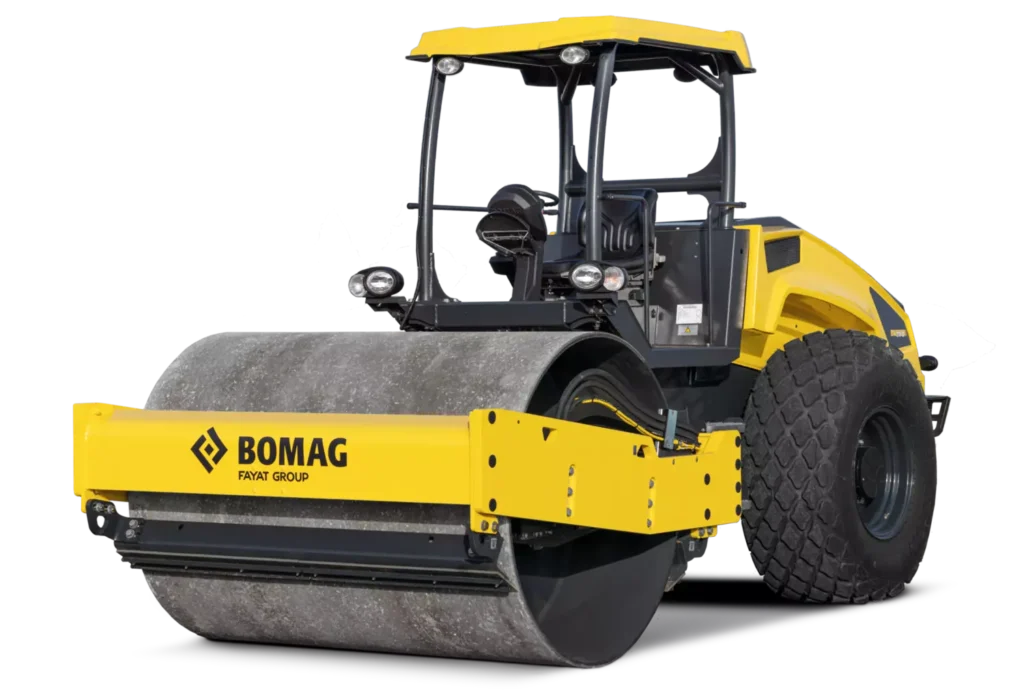
To safely and effectively provide instruction on the inspection and proper use of Rollers.
II. Definitions
Standard PPE – High Viz Garment, Hard Hat, Z-87.1 Safety Glasses, Gloves, Pants, Work Boots
III. Process
NOTE: Work instruction does not supplement the manual. For specific instructions for the exact model please refer to the owner’s manual.
A. Potential Hazards
- Noise Hazard
- Vibration Hazard
B. PPE
- Standard PPE
- Hearing Protection
C. Inspection
- Check and ensure the machine is free of oily and combustible material.
- Ensure all grips, steps and platforms are free of grease, oil, fuel, dirt, snow and ice.
- Ensure engine hood is closed and locked.
- Check whether the machine shows any obvious faults.
- Check to ensure all the guards and safety elements are in place.
- Check the steering, brakes, control elements, light systems and warning horn work correctly.
- Ensure the seat is correctly adjusted.
- Check mirrors (if present) are clean and correctly adjusted.
- Park the machine on ground as level as possible before checking the following;
- Fuel tank and fuel lines for leaks.
- Screw connections.
- Function of steering
- Function of emergency stop.
- Function of parking brake.
- Machine for cleanliness, damage.
- Presence of the appropriate operating and maintenance instructions.
- Proper maintenance of the machine.
D. Use
Loading/Transporting the Machine With Ramp
- Use only stable loading ramps of sufficient load bearing capacity. The ramp inclination must be less than the gradeability of the machine.
- Do not remain in the danger zone of the machine.
- Always empty the chip spreader before transport.
- After driving the machine onto the transport vehicle attach the articulation lock.
Loading/Transporting the Machine by Crane
- With the chip spreader attached, the machine must not be lifted with lifting belts, because of the changed center of gravity.
- Engage the articulation lock.
- Always use shackles on the lifting points or on the lifting belt for loading the machine.
- Check all lifting points and lifting belt for damage before lifting the machine. Damaged or in any other way in their functionality impaired, lifting belt must not be used.
- Lifting tack must only attached to loads by expert personnel (qualified person).
- Do not overload the lifting belt.
- Lift the machine only with suitable lifting gear. Use only safe lifting gear of sufficient load bearing capacity Minimum lifting capacity of lifting gear.
- Do not lift or lower the machine jerkily.
- The tension must always be effective in vertical direction.
- The machine must not swing about when being lifted.
- Do not step or stand under suspended loads.
- After lifting hook the lifting belt back into its receptacle.
- Always empty the chip spreader before transport.
Lashing
- Always use shackles on the lifting points for lashing down the machine.
- Check all lashing points for damage before lashing down the machine. Do not use a damaged or in any other way impaired lashing points.
- Lash the machine down, so that it is secured against rolling, sliding and turning over.
- Never attach the lashing gear to the chip spreader.
Starting the Machine
- Fasten your seat belt.
- Shift the travel lever to position “0”.
- Set the throttle lever to position “MIN”.
- Check, whether the emergency stop switch is unlocked.
- Turn the ignition key to position “I”.
- All control and warning lights in the instrument cluster light up for approximately 3 seconds.
- The engine oil pressure warning light flashes, the charge control light and the parking brake warning light stay on.
- Run the starting process for a maximum of 20 seconds without interruption and pause for a minute between starting attempts. If the engine has not started after two attempts perform trouble shooting.
- Turn the ignition key through position “II” to position “III”, the starter will crank the engine.
- With cold ambient temperatures hold the ignition key up to 30 seconds in position “II”; the preheating control light lights up.
- As soon as the engine ignites return the ignition key to position “I”.
- The engine oil pressure warning light and the charge control light will go out. The parking brake warning light stays on.
- Run the engine warm for a short while before starting work. Do not rev up a cold engine to high idle speed/full load speed.
Driving
- Set the throttle lever to full load position “MAX I” or “MAX II”.
- Disengage the travel lever out of braking position and move it slowly to the desired travel direction.
- Position “I” – Max. forward travel without vibration
- Position “II” – Max. backward travel without vibration
- Position “III” – Max. forward/backward travel with vibration.
- The parking brake warning light in the instrument cluster will go out.
- With the machine parked the warning light for the seat contact switch lights up together with the parking brake warning light when the driver’s seat is not occupied. The machine cannot drive.
- To continue driving occupy the seat and put on the seat belt within 4 seconds. The warning lights go out and the warning buzzer stops.
- If the engine stops, restarting is required.
Stopping/Parking
- Shift the travel lever slowly to “0” position.
- The machine is automatically braked by the hydrostatic drive and the parking brake is applied.
- The parking brake warning light in the instrument cluster will light up.
Shutting Down Engine
- Shift the travel lever slowly to the “0” position.
- The machine is automatically braked by the hydrostatic drive and the parking brake is applied.
- The parking brake warning light in the instrument cluster will light up.
- Set the throttle lever to position “MIN” (idle speed).
- Let engine idle for about 2 minutes.
- Turn the start switch to position “0” and remove the ignition key.
Actuating the Emergency Stop Switch
- Press the button of the emergency stop switch completely down, it automatically locks in fully pressed position.
- Turn the button clockwise to unlock the emergency stop switch.
E. Maintenance
- Do not clean the machine while the engine is running.
- Do not use gasoline or other combustible substances for cleaning purposes.
- When using steam cleaning equipment do not subject electrical components and insulating materials to the direct water jet, but cover them beforehand.
- Do not guide the water jet into the exhaust or into the air filter.
- Engine oil level, top off if necessary
- Pull the dipstick out, wipe it off with a lint-free, clean cloth and reinsert it until it bottoms.
- Pull the dipstick back out.
- the oil level must always be between the “Min” and “Max” marks.
- If the oil level is too low, top up the oil immediately.
- If the oil level is too high, determine the cause and drain the oil off.
- Fuel level, top off if necessary
- Check the fuel level on fuel gauge in the instrument cluster.
- Shut down the engine.
- Clean the area around the filler opening.
- Open the fuel tank cover.
- Top up with fuel (diesel or winter diesel).
- Screw the fuel tank cover back on.
- Hydraulic oil level, top off if necessary.
- Clean the area around the filler opening.
- Remove the filler cap.
- Check the oil level on the dipstick. The oil level must be between the “MIN” and “MAX” marks.
- If oil level is too low top up on hydraulic oil immediately.
- Coolant level, top off if necessary.
- Check the coolant level in the compensation tank.
- To top up unscrew the filler cap and fill in coolant up to the MAX mark.
- Dry air filter service indicator. If the red piston of the filter service indicator reaches into the transparent window, service of the dry air filter is due.
- Check the water separator.
- Slacken the drain plug for a few turns and catch running out fuel/water.
- Tighten the drain plug again and check for leaks, if necessary replace the seal ring.
- Water level, top off if necessary.
- Check the water tank filling level on the water gauge.
- Open the cap and check the water level.
- If necessary fill in water through the filter screen and close the cap again.
- Emulsion level, top off if necessary.
- Unscrew the cover and check the emulsion level, fill up if necessary.
- Air pressure in tires.
- Check the chip spreader and clean the spread beam.
- Clean the spreading beam from any dirt, especially from asphalt.
- Check hydraulic lines for leak tightness.
- Check hydraulic and electric connections for tight fit.
IV. Reference Documents
Roller 120AD-4 Maintenance Log