
I. Purpose & Scope
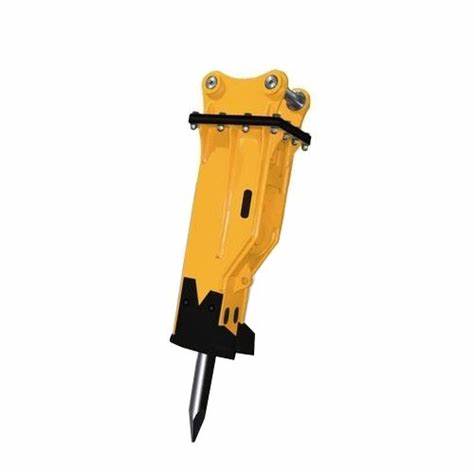
To safely and effectively provide instruction on the inspection and proper use of hydraulic breakers.
II. Definitions
Standard PPE – High Viz Garment, Hard Hat, Z-87.1 Safety Glasses, Gloves, Pants, Work boots.
III. Process
NOTE: Work instruction does not supplement the manual. For specific instructions for the exact model please refer to the owner’s manual.
A. Potential Hazards
- Injection hazards
- Flying Debris/Hydraulic oil
- High decibel
- Crushing
- High Heat
- High pressure chemicals
B. PPE
- Standard PPE
- Hearing Protection
C. Inspection
- Inspect the hydraulic hoses and fittings for signs of leaks, cracks, wear or damage.
D. Use
- Select the right chisel.
- Move the impact point from the edge to the interior.
- Always position the hammer at a right angle.
E. Maintenance
1. Every two hours
- Grease the chisel and chisel brush
- Check hydraulic oil temperature, piping & connection and impact efficiency.
- Tighten loose connections.
2. Daily
- Remove the retaining pin and the chisel and check their condition. Grind off any burrs that may be present.
- Check that the chisel has been receiving sufficient grease.
3. Weekly
- Check gas pressure in the back-head. Refill the gas if necessary.
- Check for wear of the chisel, front bush, chisel bush, chisel wiper and piston lower part.
- Check the hydraulic hoses, replace as necessary.
- Check through bolts, replace and/or tighten if necessary.
F. Live Line Contact
- Immediately stop work.
- Treat equipment, attachments and ground as energized.
- Warn people nearby that an electric strike has occurred.
- DO NOT exit equipment and stay inside cab while contact or arcing is occurring.
- Ensure equipment is barricaded.
- If there is an immediate hazard (i.e. fire hazard) that requires the exiting of equipment employee shall jump out of equipment with both feet together, landing on the ground.
- Employee shall than shuffle away from equipment, not walk or run, taking small steps and feet together to minimize voltage difference in the ground until they reach a safe location.