
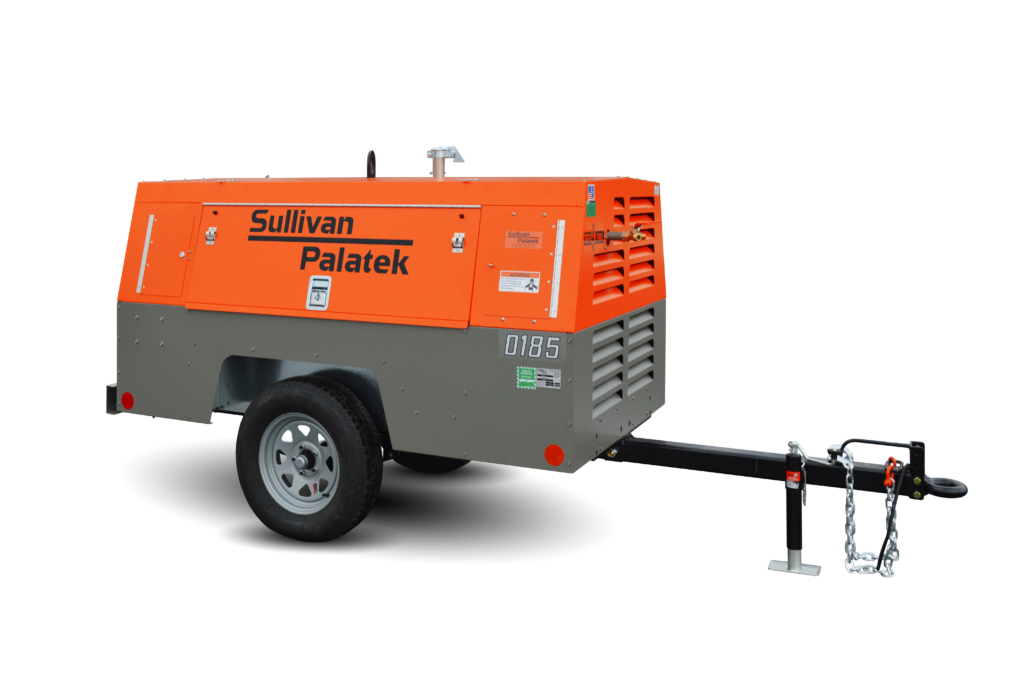
I. Purpose & Scope
To safely and effectively provide instruction on the inspection and proper use of compressors.
II. Definitions
Standard PPE – High Viz Garment, Hard Hat, Z-87.1 Safety Glasses, Gloves, Pants, Work Boots
III. Process
NOTE: Work instruction does not supplement the manual. For specific instructions for the exact model please refer to the owner’s manual.
A. Potential Hazards
- Electrical Shock Hazard
- Moving Parts Hazard
- Noise Hazard
- High Pressure hazard
- Burn Hazard
B. PPE
- Standard PPE
- Hearing Protection
C. Inspection
- Check oil level. Oil level should be equal to the center of the sight glass. Add as necessary.
- Check line fittings and electrical connections. Ensure that all connections and fittings, including tubing and electrical connections, are snugly fastened without being twisted or compromised by extreme bending or contact with sharp corners or surfaces. Zip-tie any loose length of fitting if it appears to have a tendency to shift or cause wear while machine in is in operation.
- Visually review the entire machine being mindful of any evidence of abnormal wear, including pooled oil, frayed or rubbed connection piping, loose fasteners or hardware, leaks, etc.
D. Use
Start Up
- Position the compressor on a level surface so that proper amounts of liquid can be added, if required.
- Check engine and compressor oil levels and add oil, if necessary.
- Fill fuel tank.
- Press and hold Start button for one (1) second to turn on display.
- Press and hold Start button a second time for one (1) second to start Engine cranking sequence.
- Allow the machine to sufficiently warm-up before operating.
Shutdown Procedure
- Allow engine to run at idle for approximately sixty (60) seconds.
- Press the STOP button.
NOTE: Allow the compressor to blow down prior to restarting.
E. Maintenance
- Check engine air filter element (replace if necessary), and fuel filter bowl (clean if necessary).
- Check air intake hose. Ensure that the air intake hose is properly fastened and free from any compromises such as tears or holes.
- Check radiator hoses and clamp bands. Ensure that the radiator hoses and clamp bands are intact, in good working order and fastened correctly. If hoses are showing signs of wear (cracking, stretching, etc.), replace hoses.