
I. Purpose & Scope
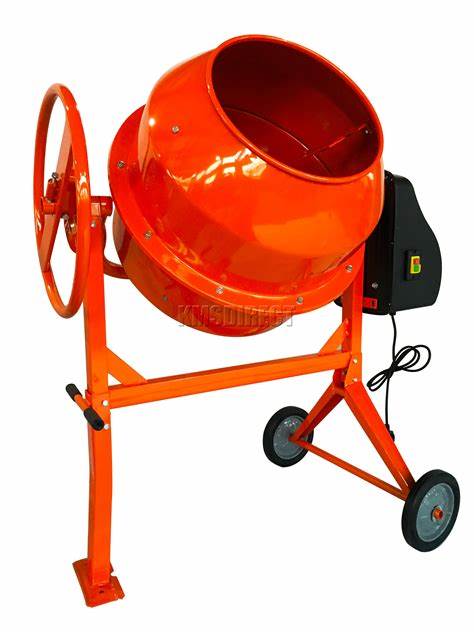
To safely and effectively provide instruction on the inspection and proper use of cement mixers.
II. Definitions
Standard PPE – High Viz Garment, Hard Hat, Z-87.1 Safety Glasses, Gloves, Pants, Work Boots.
III. Process
NOTE: Work instruction does not supplement the manual. For specific instructions for the exact model please refer to the owner’s manual.
A. Potential Hazards
- Fire and/or explosion
- Rotating Parts Hazard
- Burn Hazards
- Lethal exhaust gas hazards
- Electric shock/electrocution
- Slips/Trips/Falls
- Rolling Hazard
B. PPE
- Standard PPE
- Hearing Protection
- Respiratory Protection – Recommended
C. Inspection
- Clean the unit, removing dirt and dust, particularly the engine cooling air inlet, carburetor and air cleaner.
- Check the air filter for dirt and dust.
- Check carburetor for external dirt and dust.
- Check fastening nuts and bolts for tightness.
- Check engine oil level.
- Remove gas cap and visually inspect fuel level.
- Check for work or defective tires.
- Visually examine the V-belt and determine if it is full of tiny cracks, frayed, has pieces of rubber missing, is peeling or otherwise damaged.
- Also examine the belt and determine if it is oil soaked, glazed or worn.
D. Use
- Pour about 5 liters of water into the mixer.
- turn on the mixer.
- Load a few shovels of sand into mixer.
- Load a few shovels of cement in the mixer.
- Wait a few minutes and add more cement.
- Add more water as necessary.
- Ensure concrete has the right consistency and adjust as needed.
E. Maintenance
- Wash away cement before it dries daily.
- Blow compressed air into the vented end of the motor to remove any excess dirt or debris.
- Grease all fittings daily.