
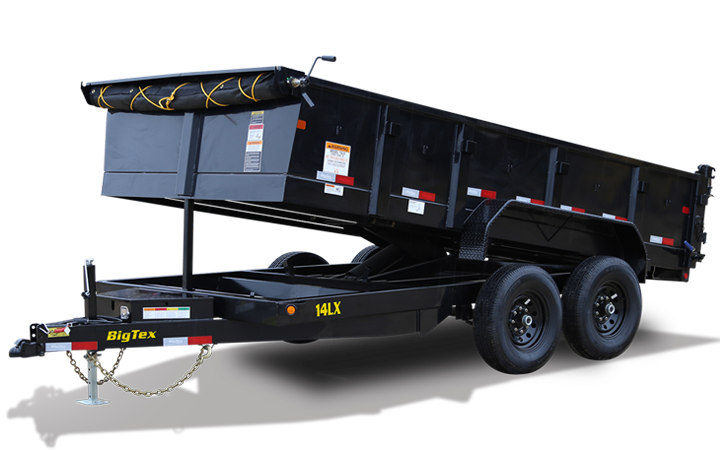
I. Purpose & Scope
To safely and effectively provide instruction on the inspection and proper use of cargo trailers.
II. Definitions
Standard PPE – High Viz Garment, Hard Hat, Z-87.1 Safety Glasses, Gloves, Pants, Work Boots
III. Process
NOTE: Work instruction does not supplement the manual. For specific instructions for the exact model please refer to the owner’s manual.
A. Potential Hazards
- Rolling Hazard
- Crushing Hazard
- MVI Hazard
- Fire Hazard
- Pinch Hazard
B. PPE
- Standard PPE
C. Inspection
- Inspect the deck of trailer for corrosion or damage.
- Inspect the hold down openings and/or “D”-rings. Hold down openings must be sturdy with no visible cracks or kinks. D-rings must be tight to the deck and must not be bent.
- Wipe the hitch ball clean and inspect it visually and by feel for flat spots, cracks and pits.
- Rock the ball to make sure it is tight to the hitch, and visually check that the hitch ball nut is solid against the lock washer and hitch frame.
- Wipe the inside and outside of the coupler clean and inspect it visually for cracks and deformations; feel the inside of the coupler for worn spots and pits.
- Be sure the coupler is tight to the tongue of the trailer. All coupler fasteners must be visibly solid against the trailer frame.
- Visually inspect safety chains and hooks for wear or damage. Replace worn or damaged safety chains and hooks before towing.
Hourly Stop and Checks
- Ensure coupler is secured.
- Ensure safety chains are fastened and not dragging.
- Ensure cargo is secured.
- Ensure cargo door is latched and secured.
D. Use
Prepare the Coupler and Hitch
- Lubricate the hitch ball and the inside of the coupler with a thin layer of automotive bearing grease. If your trailer is equipped with a jack, raise the coupler above the ball height.
- Open the coupler locking mechanism. Ball couplers have a locking mechanism with an internal moving piece (ball clamp) and an outside handle, wheel, or latch.
- In the open position, the coupler is able to drop fully onto the hitch ball.
- Slowly back up the tow vehicle so that the hitch ball is near or aligned under the coupler, if the trailer jack has raised the coupler.
Coupling Trailer to Tow Vehicle
- If trailer does not have a jack, lift the coupler and place it over the ball.
- If trailer does have a jack, lower the trailer tongue until the coupler fully engages the hitch ball. If the coupler does not line up with the hitch ball adjust the position of the tow vehicle.
- Engage the coupler locking mechanism. In the engaged position, the locking mechanism securely holds the coupler to the hitch ball.
- Insert a pin or lock through the hole in the locking mechanism.
- Be sure the coupler is al the way on the hitch ball and locking mechanism is engaged. A properly engaged locking mechanism will allow the coupler to raise the rear of the tow vehicle. Using the trailer jack, test to see that you can raise the rear of the tow vehicle by 1 inch, after the coupler is locked to the hitch.
- Lower the trailer so that its entire tongue weight is held by the hitch, and continue retracting the jack to its fully retraced positions.
Rig the Safety Chains
- Crisscross underneath the coupler so if the the trailer uncouples, the safety chains can hold the tongue up above the road.
- Loop around a frame member of the tow vehicle or to holes provided in the hitch system (but, do not attach them to an interchangeable part of the hitch assembly).
- Attach “S” hooks up from underneath the hole (do not just drop into hole).
- Provide enough slack to permit tight turns, but not to be close to the road surface to drag.
Attach and Test Electric Breakaway Brake System
- Connect the pull pin lanyard to the tow vehicle so that the pull pin will be pulled out before all of the slack in the safety chains is taken up.
- Do not connect the pull pin cable to a safety chain or to the hitch ball or hitch ball assembly.
- To test the break-away brake battery, remove the pull pin form the switch and attempt to pull the trailer forward.
NOTE: You should feel the trailer resisting being towed, but the wheel will not necessarily be locked. If the brakes do not function, do not tow the trailer until brakes, or battery are repaired. - Immediately replace the pull pin. The breakaway brake system battery discharges rapidly when the pull pin is removed.
- Do not tow trailer with the breakaway brake system ON because the brakes will overheat which can result in permanent brake failure.
Connect Electrical Cables
- Connect the trailer lights to the tow vehicle’s electrical system using the electrical connectors.
- Check all lights for proper operation.
- Clearance and Running Lights (Turn on tow vehicle headlights)
- Brake Lights (Step on tow vehicle brake pedal)
- Turn Signals (Operate tow vehicle directional signal lever)
- While towing the trailer at least than 5 mph manually operate the electric brake controller in the tow vehicle cab. Ensure the correct operation of the trailer brakes.
Uncoupling to Tow Vehicle
- Block trailer tires to prevent the trailer from rolling before jacking the trailer up.
- Disconnect the electrical connector.
- Disconnect the breakaway brake switch lanyard.
- Disconnect the safety chains from the tow vehicle.
- Unlock the coupler and open it.
- Before extending jack, make certain the ground surface below the jack pad will support the tongue load.
- Rotate the jack handle (or crank) clockwise. This will slowly extend the jack and transfer the weight of the trailer tongue to the jack.
Loading the Trailer
- Ensure the trailer is on level ground, both left/right and front/back.
- Load the cargo onto the trailer with approximately 60% of the cargo in the front half of the trailer.
- Secure the cargo to the trailer using appropriate straps, chains and tensioning devices.
E. Maintenance
- Check breakaway brake fluid level.
- Check brake operation.
- Grease the fifth wheel and kingpin.
- Check tire pressure when cold. Inflate as needed.
- Check wheel lug nuts & hug for tightness. Tighten as needed.