
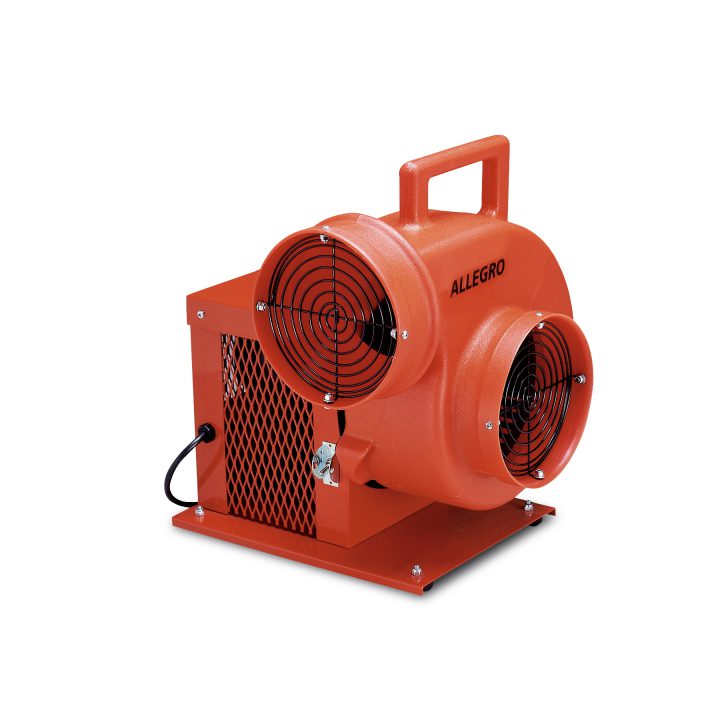
I. Purpose & Scope
To safely and effectively provide instruction on the inspection and proper use of blowers.
II. Definitions
Standard PPE – High Viz Garment, Hard Hat, Z-87.1 Safety Glasses, Gloves, Pants, Work Boots
III. Process
NOTE: Work instruction does not supplement the manual. For specific instructions for the exact model please refer to the owner’s manual.
A. Potential Hazards
- Atmosphere Hazard
- Electric Shock Hazard
- Moving Parts Hazard
- Fire and Explosion Hazard
B. PPE
- Standard PPE
C. Inspection
- Check all fasteners and individual parts.
- Check parts for wear or damage.
D. Use
- Operate the blower upwind from the work location and with the air inlet facing into the relative wind to maximize air flow.
- Use nylon strap to secure end to blower and/or duct connector. To join two sections of duct, use a duct to duct connector. Secure each grounding wire by clipping them together.
- When using statically conductive ducting, the integrated grounding wire must be properly grounded to the blower chassis and link to any additional grounding wire or duct used.
- If blower has an attached canister, verify canister and lid are secure before moving or storage. Release ducting lid and extend ducting before operating motor.
- Increasing duct length will decrease flow rates.
- when changing canister configuration, detach the rubber clamping straps and release the canister, re-align to opposite side of the blower. To re-attach canister over the outlet port and secure the canister to the blower with both rubber clamping straps.
- For exhaust operations, connect the duct to the blower outlet.
- For extraction (air evacuation) operations, connect the canister/duct to the blower inlet. Ensure ducting does not collapse during operation.
E. Maintenance
- Keep blower clean. Heavy accumulations of dirt and dust will result in overheating, clean the motor surfaces and all ventilation openings with a vacuum cleaner.