
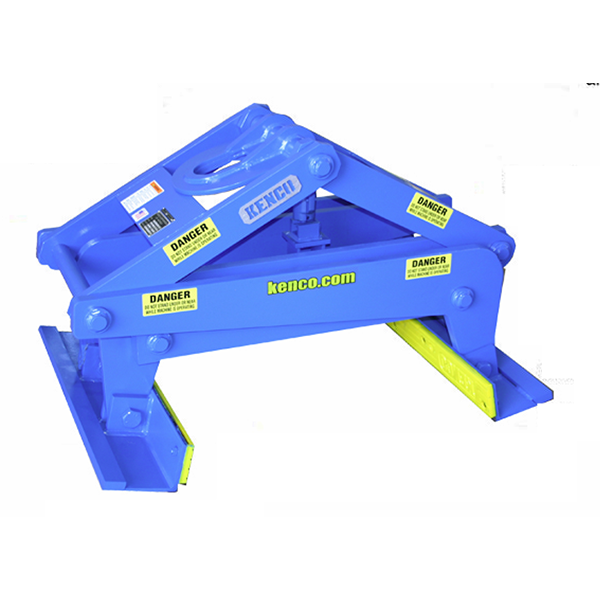
I. Purpose & Scope
To safely and effectively provide instruction on the inspection and proper use of barrier lifts.
II. Definitions
Standard PPE – High Viz Garment, Hard Hat, Z-87.1 Safety Glasses, Gloves, Pants, Work Boots
III. Process
NOTE: Work instruction does not supplement the manual. For specific instructions for the exact model please refer to the owner’s manual.
A. Potential Hazards
- Falling Hazards
- Pinching Hazards.
- Crushing Hazards
B. PPE
- Standard PPE
- Hearing Protection
C. Inspection
- Check that all pad bolts and nuts are tight.
NOTE: Do not over tighten pad angle bolts. - Check that bolts and nuts are snug.
- Inspect pad and ensure they are clean and free of debris or contamination.
- Inspect lift for signs of stress and wear.
- Ensure free movement of all components.
- Ensure that all warning labels are present and readable.
- Check that actuator mounting screws are snug and seated.
- Verify freedom of rotation for pad angle.
- Ensure that pad material is sound, and not de-laminated from backing plates.
- Ensure mounting bolt head are a minimum 3/32″ below the surface of the pad.
D. Use
Set up
- Attach barrier lift to hoist using as few rigging components (shackles, slings, chain, etc.) as possible.
Automatic Operation
- Position lift at or near center of object to be lifted.
- Lower the lift onto object, taking care to minimize impact.
- Release tension on lift cable.
- Raise lift and load in a smooth motion, do not “jerk”.
- Deposit at desired location.
- Release tension on lift cable.
- Remove lift.
E. Maintenance
- Lubricate all moving mechanisms with penetrating oil.