
I. Purpose & Scope
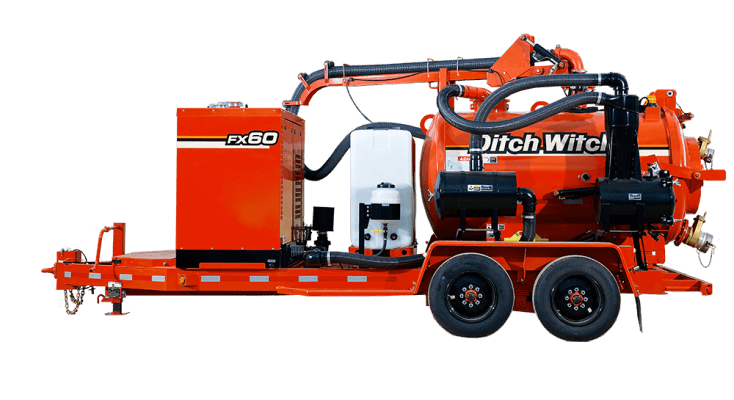
To safely and effectively provide instruction on the inspection and proper use of Hydro Vacuum Excavators.
II. Definitions
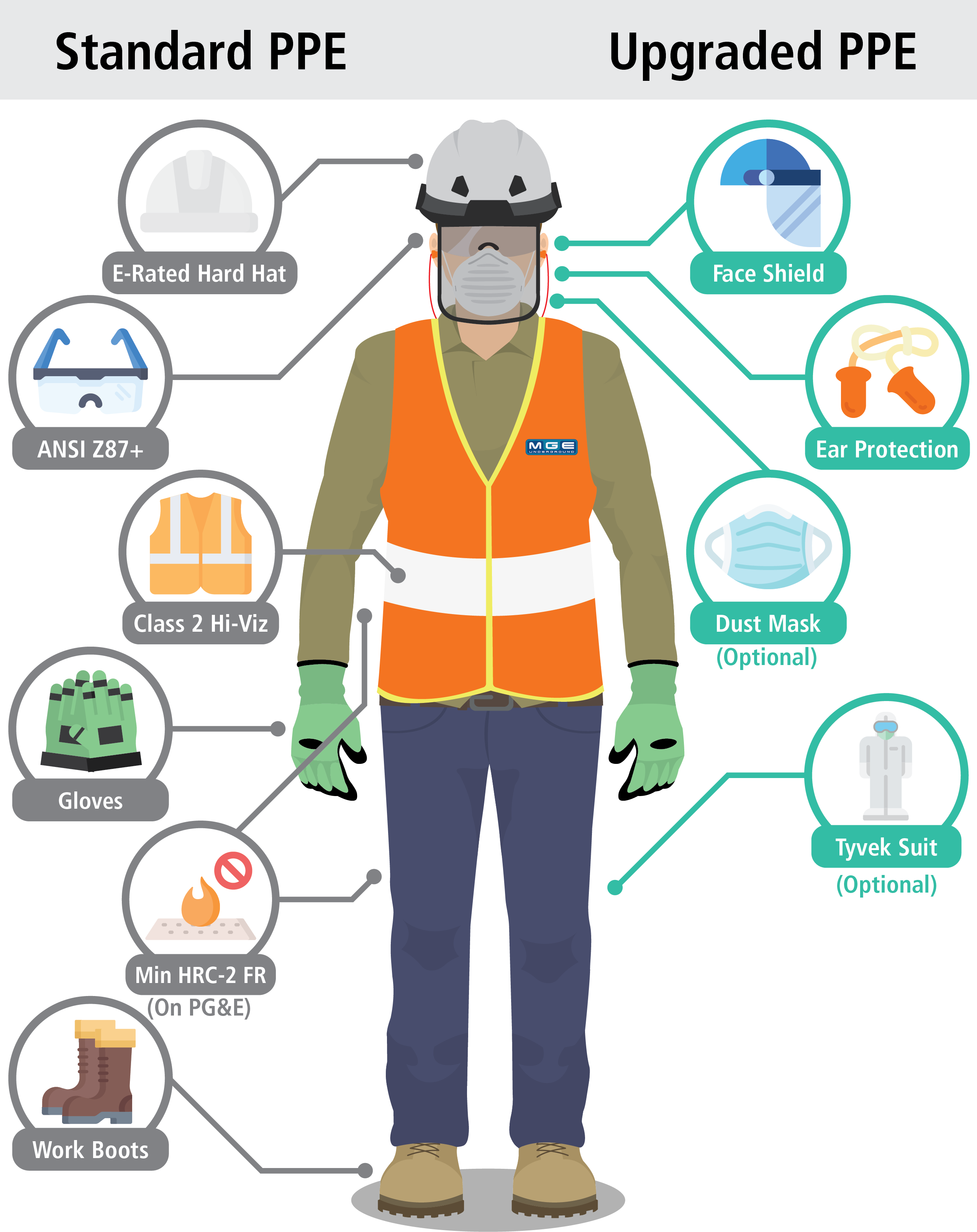
Standard PPE – High Viz Garment, Hard Hat, Z-87.1 Safety Glasses, Gloves, Pants, Work Boots
III. Process
NOTE: Work instruction does not supplement the manual. For specific instructions for the exact model please refer to the owner’s manual.
A. Potential Hazards
- Electric Shock Hazard
- Fire or Explosion Hazard
- High Noise Hazard
- Flying objects/debris
- Burn Hazard
- Moving parts hazard
- Crushing weight hazard
- Suffocation Hazard
- Pressure hazard
- Confined space hazard
- Hazardous atmosphere
B. PPE
- Standard PPE
- Hearing Protection
- Face Shield
- Respiratory protection – Recommended
- Tyvek suit – Recommended
C. Inspection
- Inspect Trailer for the following:
- Inspect trailer connection – hooks are in place and the safety latches are in good working condition and snap back to their original position.
- Inspect trailer chains – not dragging on the ground.
- Pintle Hitch – safety pin in place, locked and not going to come out
- Electrical Connections – Locked in place and will not come undone, and is firmly secure
- Emergency Cable is secure and ready to activate trailer brakes.
- Ensure trailer brakes are adjusted to come on in synchronization with tow vehicle brakes.
- Check hitch for wear and cracks. Lubricate if needed.
- Check battery for 12V charge, no corrosion or leaks.
- Check landing gear is secured in up position.
- Tool box is secured, and latches are tight. Ensure extra tools and hoses are available and stored before leaving the yard.
- Engine
- Open the cabinet and verify oil levels from the dipstick.
- Check the air filter is clean and not clogged.
- Check the belts for proper tension and no cracks or wear.
- Verify the overall engine bay for cleanliness, no excess fluid or build up to indicate leaks.
- Check latches are in good shape and are secure.
- Check hydraulic fluid levels are good.
- Check hoses for bubbles, cracks, leaks, or tears.
- Water Tank
- Check for leaks or tears
- Check for appropriate level
- Trailer Sides
- Hose and snorkel are secured.
- Check for any ends breaks or cracks.
- Check trailer deck for loose pieces that need to be removed or secured before transportation.
- Remote is secured and cord will not get tangled or caught on any parts.
- Ensure boom is secured in place and locked.
- Tires
- Check tire pressure is correct.
- Tread depth is appropriate and more than 2/32nds.
- Check that tires do not have tears, bubbles or missing tread.
- Ensure lug nuts are secured and tight and do not have rust or shininess.
- No cracks or welds.
- Check suspension are not missing or scissored and are properly secured.
- Hose
- No tears, bubbles or exposed wires.
- Ensure hose real is secured to the trailer.
- Ensure hose is secured to the attachment.
- Rear of Trailer
- Ensure beaker light is working and in good condition
- Inspect lights for cleanliness and correct operation.
- Inspect reflector tape, for cracks or tears and replace if needed.
- Inspect sight glasses for cracks and has washer present.
- Ensure door is closed and secured.
- Ensure dump valve cap is in place and secured.
- License plate attached and light is working correct.
- Cyclone Filter
- Open and verify there is no solid material in the filter, remove if found.
- Ensure lid is secured properly.
- Air Filter
- Ensure filter is free of dirt and debris. If dirty, clean and replace.
- Low pressure water is used for cleaning and requires 24 hours to dry.
- General Inspection
- Check all clearance lights work properly and have no loose wires.
- Check all DOT tape is in good repair.
- Check ramps (if equipped) and trailer bed for cracks.
D. Use
Start Unit
- Open tank inlet valve.
NOTE: Avoid idling engine with inlet valve closed. - If equipped with reverse flow, ensure vacuum is in “vacuum” mode before starting.
- Insert key into ignition switch.
- Turn key clockwise.
- Run engine at low throttle for 5 minutes.
Cold Start
- Open tank inlet valve.
NOTE: Avoid idling engine with inlet valve closed. - If equipped with reverse flow, ensure vacuum is in “vacuum” mode before starting.
- Insert key into ignition switch.
- Turn key to on position. Cold start (glow plug) timer indicator will light.
- Wait for cold start timer indicator to go off.
- Turn key clockwise to start engine.
- Run engine at low throttle for 5 minutes.
Position Vacuum Boom
- Start engine.
- Set hydraulic function switch to “Boom” position.
- Remove vacuum hoses form storage. If using a vacuum boom on a truck, attach provided extension hose to help maneuver the tool.
- Pull boom latch cable to release boom.
- Use boom control to:
- Raise boom until it clears saddle.
- Extend/retract boom to desired length.
- Raise/lower boom to desired height.
- Rotate boom by manually swinging it left or right.
Remove Debris
- Position vacuum hose in area to be excavated.
- Start engine.
- Open inlet valve if necessary to being excavation.
- Use sight glasses to monitor debris level in tank. Vacuum will shut off when tank is full but always heed trailer and tank lifting capacities. Engine will remain running.
Pothole
- Start engine.
- Open water tank valve.
- Move water pump switch to on.
- Open inlet valve.
- Position tool over area to be excavated and begin pothole.
- Adjust water pressure as needed to match soil conditions and/or material of utility being exposed.
- Ensure that water sprays from nozzle. If it does not nozzle may be clogged and pump will not function properly. Clean or replace nozzle as necessary.
- When freshwater tank is empty, stop operation and turn water pump switch to off.
Drain Tank
- Ensure that unit is hitched to vehicle.
- Haul unit to approved dumping area.
- Open drain/outlet valve and inlet valve.
- Allow tank to drain in the horizontal position until tank is approximately half drained. Monitor sight glasses.
- When tank is half drained, start engine and run at low idle.
- Tilt tank up to help flush solids form tank.
- Lower tank to the full horizontal position.
- Close drain/outlet valve and inlet valve.
- If further draining is necessary, open tank door.
- Tilt tank up fully. Allow tank to drain completely.
- Connect water pressure hose to water lance.
- Turn water pump switch on. Adjust water pressure.
- Use water lance to thoroughly rinse inside of tank and around door seal.
- Return tank to the fully lowered horizontal position.
- Close tank door.
Open/Close Tank Door
Open
- If using optional reverse flow mode, turn off engine and ensure handle is down (in Vacuum mode).
- If tank is tilted, lower tank fully before opening door.
- Open tank inlet valve.
- Set hydraulic function switch to door position.
- Press UP on tethered control.
Close
- Press DOWN on tethered control until the linkage on both sides of the tank is fully collapsed.
- Close tank inlet valve.
Shut Down
- Move machine to level ground.
- Return all controls to neutral.
- Run engine at low throttle with no load for at least five minutes to cool.
- Shut of machine.
- If leaving machine unattended, remove key.
- For maintenance or long-term storage, disconnect battery using battery disconnect switch
NOTE: Wait two minutes after shutting off machine before disconnecting battery.
E. Maintenance
FX Models
- Spray water onto equipment to remove dirt and mud. Use water lance. Thoroughly rinse inside of tank and around door seal.
- Exercise relief valve before each use. Pull valve handle, twist it a few times and release. Also ensure vents on valve are free of mud and other restrictions.
- Clean water pump filter every 10 hours by following the below procedure.
- Open filter housing.
- Remove element and rinse housing thoroughly with water.
- Inspect element for signs of collapse and for brittle or broken rubber seals on the ends of the element. Replace as needed.
- Replace element and close filter housing.
- Check torque of trailer hitch bolts. Torque varies by trailer model.
- Check hydraulic brake actuator bolts. Tighten if loose.
- Check hydraulic brake fluid level at master cylinder cap before each use. Fluid should be visible at top of master cylinder. Add DOT 3 or DOT 4 brake fluid and bleed brakes as needed.
- Check battery connections for wear or corrosion. Keep connections clean and tight.
- Check tire pressure and lug nut torque.
- Check lights and reflectors for correct operation and cleanliness.
- Check air filter whenever vacuum gauge goes over 16″ of mercury, change as needed following the below procedure.
- Remove clamp.
- Remove filter and discard.
- Install new filter.
- Replace clamp.
- Empty cyclonic separator canister as needed. Open door and dump tank. Clean out cyclone through upper access door as needed.
- Lube reverse flow 4-way valve at zerk with MPG as needed. Also open left access panel of power unit and lube zerk on other side of valve.
- Change batteries in wireless control module as needed. Unit requires 3 AA batteries.
- Clean Primary Shut-off valve as needed. Replace primary shut off valve as needed.
To Clean
-
- Open tank door.
- Spray Valve housing inside vacuum tank with high-pressure hose.
- Close tank door.
To Remove
-
- Loose three wingnuts and pull out valve housing.
- Remove ball.
- Clean ball and housing with high-pressure water.
- replace ball and housing.
- Tighten wingnuts.
HX Models
- Check air intake system for dirt and debris every 10 hours. If clamp is loose, apply oil to threads and retighten. If hose is cracked or worn, replace.
- Check battery every 10 hours and charge as needed.
- Disconnect battery at battery disconnect switch, if equipped.
- Ensure no ignition sources are near battery.
- Loosen and remove battery cable clamps carefully, negative cable first.
- Clean cable clamps and terminals to remove dull glaze.
- Check for signs of internal corrosion in cables.
- Connect battery cable clamps, positive cable first.
- Tighten any loose connections.
- Ensure that battery tie downs are secure.
- Turn batter disconnect, if equipped, on.
- Change batteries as needed on wireless remote control.
- Check blower belt every 10 hours. Adjust as needed.
- Check belt for excessive slack, damage or wear. Belt is properly tensioned when it moves about 1/4″ – 3/8″ when pushed at the long span.
- To adjust, remove belt guard.
- Loosen idler sheave bolt.
- Loosen jam nut.
- Rotate adjustment screw to properly tension belt.
- Tighten jam nut.
- Tighten idler sheave bolt.
- Replace belt guard.
- Check belt for excessive slack, damage or wear. Belt is properly tensioned when it moves about 1/4″ – 3/8″ when pushed at the long span.
- Check fan belt every 10 hours for excessive slack, damage or wear. Belt is properly tensioned when it moves about 1/4″ – 3/8″ when pushed at the long span.
- To adjust, loosen alternator bolt.
- Adjust to properly tension belt.
- Tighten alternator bolt.
- Check hydraulic pump belt every 10 hours for excessive slack, damage or wear. Belt is properly tensioned when it moves about 1/8″ – 1/4″ when pushed.
- To adjust, loosen three bolts on pump mount.
- Loosen jam nut.
- Rotate adjustment screw to properly tension belt.
- Tighten jam nut.
- Tighten bolts to secure pump on mount.
- Check water pump belt every 10 hours for excessive slack, damage or wear. Belt is properly tensioned when it moves about 1/8″ – 1/4″ when pushed.
- To adjust, loosen three bolts on pump mount.
- Loosen jam nut.
- Rotate adjustment screw to properly tension belt.
- Tighten jam nut.
- Tighten bolts to secure pump on mount.
- Lube blower as needed to help prevent rust and seizing during long-term storage.
- Remove plug.
- Start engine.
- Spray light oil into port.
- Run engine for 1-2 minutes.
- Shut off machine.
- Install plug.
- Check coolant every 10 hours.
- Check level at overflow bottle.
- Add DEAC at fill as needed to keep level between LOW and FULL marks on overflow bottle.
- Before start up and ever 10 hours, remove wing nut on the cyclonic separator canister to drain.
- Check Debris Tank Deflector every 10 hours for buildup, wear, or damage. Clean or change as needed.
- Check Debris Tank Door Seals/Fittings every 10 hours for wear, damage, or leaks. Change as needed.
- Clean Debris Tank Primary Shutoff Valve as needed.
- Loosen eight bolts to remove elbow weldment.
- Remove ball.
- Clean ball, housing, and seals with high-pressure water.
- Inspect seals, change as needed.
- Reassemble.
- Check Dust ejector valve before startup and every 10 hours. Ensure valve is not inverted, damaged, plugged or cracked.
- Whenever vacuum gauge goes over 15inHG, check blower relief air filter for dirt or debris.
- Check Engine air filter restriction indicator every 10 hours.
- Check Vacuum air filter every 10 hours and clean as needed.
- Remove bolts to open cover.
- Remove wing nut to remove filter element.
- Wipe inside of housing and wash cover.
- Clean element with low pressure water, as needed.
- Allow element to dry completely.
- Reassemble.
- Check water pump filter every 10 hours.
- Open filter housing.
- Remove element.
- Wipe inside of housing.
- Inspect element for damage or wear.
- Check hydraulic fluid every 10 hours.
- Check level at sight glass.
- Use provided tool to open fill.
- Add THF at fill as needed to keep level at halfway point on sight glass.
- Check hydraulic hoses for leaks before startup and every 10 hours.
- Check lance spray nozzle every 10 hour to ensure water sprays in a rotary pattern. Clean or change as needed.
- Check blower oil every 10 hours.
- Check level at sight glass.
- Add SGL at fill as needed to keep level at halfway point on sight glass.
- Check engine oil every 10 hours.
- While oil is warm, check level at dipstick.
- Add DEO at fill as needed to keep level at highest line on dipstick.
- Check water pump oil every 10 hours.
- Check level at fill.
- Add NDO at fill as needed to keep level at halfway point on dipstick.
- Drain fluids from Power Pack Base as needed.
- If reverse flow 4-way valve becomes difficult or impossible to engage, lube zerks on each side of valve with two pumps of MPG at each zerk.
- If reverse flow is difficult or impossible to engage after lube, adjust valve.
- Loosen nut.
- Adjust bolt until desired operation is achieved.
NOTE: Tightening bolt loosens valve. - Hold bolt and tighten nut to prevent further adjustment.
- If reverse flow is difficult or impossible to engage after lube, adjust valve.
- Exercise reverse flow relief valve before startup.
- Pull handle, rotate back and forth, and release.
- Ensure vents on valve are free of mud and other restrictions.
- Check strobe light every 10 hours. Strobe light should flash. Change as needed.
- Check weight gauge set screws for tightness before startup. Adjust gauge any time gauge face is loose, new options are installed on machine, or base trailer load otherwise changes.
- Empty water and debris tanks.
- Weight trailer.
- Note empty trailer weight.
- Raise tank until back lip of make/break seal tube is visible inside gauge window.
NOTE: Tank must be lowered into position for weight reading to be accurate. If tank is not lowered into position, tank tilt cylinders will not be bearing full weight of tank. - Loosen set screws on gauge face, and rotate gauge until arrow points at empty trailer weight. For example, if empty trailer weights 10,000 pounds, rotate gauge until arrow indicates “10”.
- With gauge arrow properly oriented, tighten gauge set screws to fix gauge in place.
NOTE: Apply blue Loctite 24221 to set screws. - Fully lower tank.
- Check hitch bolt torque before startup.
- Check all lights and reflectors for correct operation and cleanliness before startup.
- Check tire pressure and lug nut torque before startup.
- Lube Extension shaft boom with MPS every 50 hours. Extend boom shaft fully from housing to lube.
- Lube pivot boom three zerks with MPG every 50 hours.
F. Live Line Contact
- Immediately stop work.
- Treat equipment, attachments and ground as energized.
- Warn people nearby that an electric strike has occurred.
- DO NOT exit equipment and stay inside cab while contact or arcing is occurring.
- Ensure equipment is barricaded.
- If there is an immediate hazard (i.e. fire hazard) that requires the exiting of equipment employee shall jump out of equipment with both feet together, landing on the ground.
- Employee shall than shuffle away from equipment, not walk or run, taking small steps and feet together to minimize voltage difference in the ground until they reach a safe location.
(Performed by Authorized Personnel Only)
Manufacturer: TBD
Model: TBD
| Potential Energy Hazards | Method of Neutralizing Energy | Permits Required |
|---|---|---|
 Electric Electric Air Air | LOTO Disconnect lines | Safe work |
| Pneumatic Gravity | Block/bleed Release pressure | Hot work |
| Mechanical Gas | Set fire watch Confined space permit | Line blanking |
| Hydraulic Water | Confined space |
Lockout (Shut-Down Procedure)
- Turn off engine and place the stop switch in the STOP Position.